
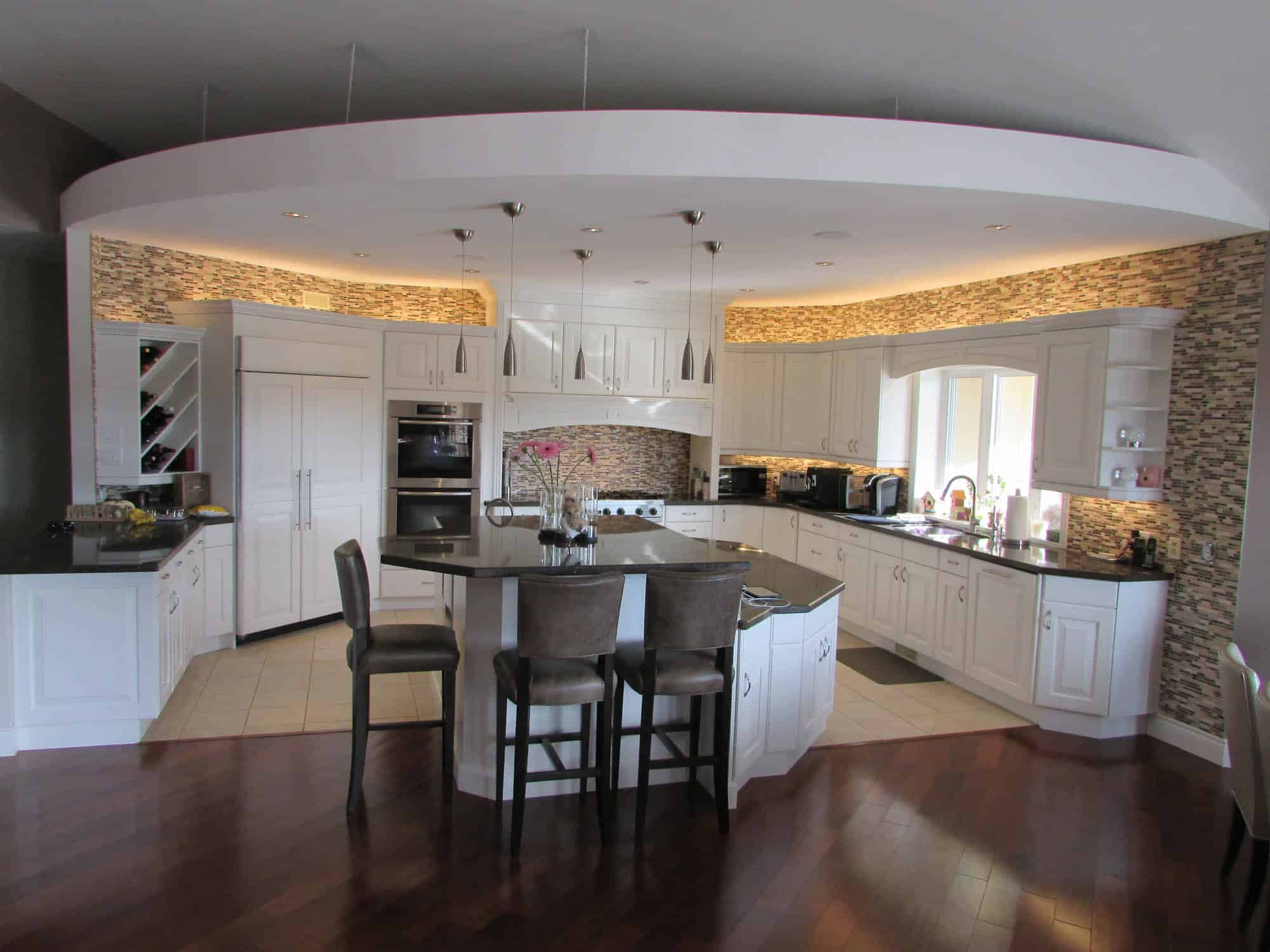
If your kitchen looks a little worse for wear, refinishing kitchen cabinets can give your kitchen space a second life. Cabinet refinishing is a fantastic way to restore worn surfaces without the expense of replacing them. This process involves stripping, sanding, staining, or repainting existing cabinets to make them look new again.
In this post, we’ll walk you through the ins and outs of refinishing your kitchen cabinets, ensuring your efforts deliver professional-level results.
Why Refinish Your Kitchen Cabinets?
Save on Replacement Costs
New cabinets can cost thousands of dollars. Refinishing provides a cost-effective way to revitalize old cabinets.
Retain Quality Materials
Older cabinets are often made with high-quality wood. Refinishing allows you to preserve these materials instead of discarding them.
Customize with a New Look
Want a different stain or paint color? Refinishing gives you complete freedom to update the style and tone of your kitchen.
Refinishing vs. Refacing: What’s the Difference?
- Refinishing: Involves sanding and repainting existing cabinet surfaces.
- Refacing: Involves replacing doors and drawer fronts but keeping the original cabinet framework.
If the cabinet structure is sound, refinishing is the more budget-friendly option.

Essential Tools and Materials for Cabinet Refinishing
- Orbital sander
- Sandpaper (120 and 220 grit)
- Wood stain or paint
- Primer (if painting)
- Polyurethane finish (for stained cabinets)
- Brushes, rollers, and rags
Step-by-Step Guide to Refinishing Kitchen Cabinets
Step 1: Remove Doors and Hardware
Unscrew cabinet doors and remove hinges, knobs, and pulls. Label each door to make reassembly easier.
Step 2: Clean the Cabinets
Use a degreasing cleaner to remove any built-up grease, dirt, or grime from the surfaces.
Step 3: Sand the Surfaces
Use 120-grit sandpaper to remove the old finish. Follow up with 220-grit sandpaper for a smooth surface.
Step 4: Apply Stain or Primer
- If Staining: Use a clean rag to apply stain in even strokes, wiping away any excess.
- If Painting: Apply a primer before your first coat of paint.
Step 5: Finish with a Topcoat
Use a polyurethane topcoat for stained cabinets or a clear protective finish for painted surfaces.
Top Refinishing Tips for Best Results
- Always sand with the grain of the wood to avoid scratches.
- Apply multiple thin coats of stain or paint for an even finish.
- Work in a well-ventilated area to avoid inhaling fumes.
Common Mistakes to Avoid When Refinishing Cabinets
- Skipping the Primer: Leads to poor paint adhesion.
- Rushing the Sanding Process: Can result in uneven surfaces.
- Not Labeling Doors and Drawers: Makes reassembly a headache.
FAQs About Refinishing Kitchen Cabinets
Q1: Can I refinish laminate cabinets?
Yes, but you’ll need to use a special bonding primer for laminate surfaces.
Q2: How long does it take to refinish cabinets?
Depending on drying times, the process typically takes 3-7 days.
Q3: Should I stain or paint my cabinets?
It depends on your style preference—stains highlight natural wood grains, while paint offers more color flexibility.
Q4: Do I need to use a topcoat?
Yes, a topcoat provides durability and protects your cabinets from moisture and wear.
Q5: Can I refinish cabinets without removing them?
While possible, removing the doors and hardware ensures a more polished finish.
Conclusion – A Fresh Start for Your Kitchen
Refinishing your kitchen cabinets is a rewarding DIY project that can transform your space without breaking the bank. With the right preparation and materials, you can achieve a professional look that will last for years.
If you want to enhance your kitchen with a brand-new finish, this process gives you the perfect opportunity to customize and renew your space.